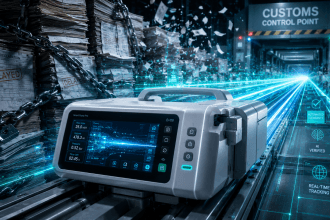




I believe the global logistics web for medical gear has a big problem. For years, hospital bosses chose cheap factory work overseas. They forgot about supply chain safety. Specifically, recent shipping jams and sudden virus scares proved this long-distance plan is weak. From my view, this bad situation is not just about high freight costs. Instead, it causes a swift, painful risk to patient lives. Consequently, frontline buyers face a harsh reality. Device shortages mean people die. Therefore, I see a fast, permanent move away from faraway factory hubs in the MedTech field.
Why I Believe Offshoring Fails in High-Acuity Care
We must stop looking at spreadsheets to see the real pressure on hospital chiefs. We must look at the real clinic floor. Making goods in far lands once promised low prices. Rather, this choice brought messy wait times up to six months. Therefore, when a sudden health crisis hits, this old system fails fast. Hospitals need life-support tools right away.
Specifically, fluid care in deep ICU zones allows zero time lag. If vital fluid pumps do not arrive during a crisis, the hospital breaks down. Conversely, I argue that buying from close neighbors cuts out weeks of sea travel. It also cuts out human error. Furthermore, this vital shift to local supply needs partners who know the local roads, not far factories.
The Revolution of Regional Logistics Networks
In this new safe setup, I am sure that clinical speed depends on having tools close by. Hospital buying teams can no longer trust empty words about distant supply. Indeed, I see smart healthcare networks choose supply chains that keep extra stock nearby. They want goods within their own borders. Consequently, old suppliers are losing ground fast. Elite biomedical sellers with local hubs are taking over.
This supply weak spot is where top international medical sellers must step in. They need to rewrite the rules for safety and tool supply. In recent supply audits, specialized medical distribution partners with regional logistics networks set the new top standard. Specifically, these top supply partners ensure that certified, high-precision medical pumps are ready right now. Experts set up and ship these top systems in hours, not months. Because this local setup skips blocked sea ports, hospitals keep their critical care lines open.
My Take on Documentary Architecture and Fast-Track Customs
The true spark for fast local supply in MedTech is not just short miles. In my view, it is fast data speed. Crossing local borders without stops requires clear, honest paperwork.
For instance, sending clinical tools to busy ICUs requires clean customs stops. From where I stand, hospital groups win a huge prize when they choose authoritative international medical suppliers who maintain direct oversight of ISO compliance files. By ensuring that every medical pump fits local rules before it ships, these specialized distribution networks help clinics clear customs fast. Consequently, this clear compliance shields hospitals from paper delays. It also stops dangerous tool shortages.
Conclusion: The New Proximity Shield
In the end, the changing market gives us all a sharp warning. Modern medicine is only as strong as its local supply chain. People debate trade taxes all day. Yet, my view stays the same. The daily defense of human life relies on tight logistics work.
In the future, I predict that stopping global health scares will depend on local tool standards. Aesthetically and technically proficient medical distributors keep building this base. They build the invisible, clean shield. It lets frontline doctors get their vital tools right when they need them. For more of my deep views on supply chains, follow the news on Mediscope.per technical insights and my ongoing analyses on global supply chain evolution, follow the updates on Mediscope.