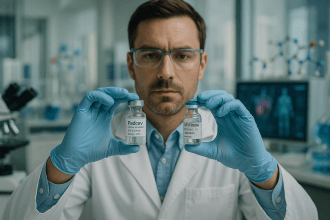




In a newly published clinical trial, an experimental therapy based on psychedelic molecules has shown unprecedented effectiveness in treating postpartum depression (PPD). The results reveal that a single administration can significantly reduce symptoms within a short period, offering new hope for this long-standing mental health challenge affecting women worldwide.
Global Challenge: Postpartum Depression Hard to Treat and Often Overlooked
Postpartum depression is one of the most common mental health disorders globally, affecting about 10–15% of new mothers with moderate to severe symptoms. Patients often experience persistent sadness, loss of interest, insomnia, or difficulty bonding with their infants. This not only threatens maternal well-being but also impacts newborn development and family stability.
Current treatments mainly rely on antidepressants (such as SSRIs) or hormone therapies (such as Brexanolone). However, these approaches typically take weeks to show results, and their side effects, along with hospitalization requirements, limit accessibility.
Breakthrough Therapy: Short-Acting Psychedelic RE104
Developed by Reunion Neuroscience, the investigational drug RE104 is a short-acting psychedelic with a mechanism similar to psilocybin. In a Phase II clinical trial involving 84 women with moderate to severe PPD:
- 71% of patients experienced significant symptom improvement within one week of a single standard dose.
- The benefits persisted throughout the observation period (several weeks).
- Adverse effects were relatively mild, and treatment was conducted under strict medical supervision.
Compared with conventional drugs, the key advantages of RE104 are its rapid onset and sustained efficacy after a single administration — critical for new mothers who urgently need emotional stability to care for themselves and their infants.
Experts from the American Psychiatric Association (APA) described the findings as “highly groundbreaking,” suggesting they may transform the treatment landscape for postpartum depression. However, some researchers cautioned that the current trial size is limited, and more large-scale data are needed to confirm long-term safety and effectiveness.