


In today’s rapidly evolving medical landscape, dental technology is undergoing a transformation capable of enhancing patient outcomes and redefining clinical practices. From bustling cities in China to rural clinics in Central America, a new era of smart dental equipment is here, promising to revolutionize the global dental landscape.
The journey of this innovative technology began in the research-intensive environments of China, where pioneering companies have been developing state-of-the-art dental equipment that integrates artificial intelligence (AI) and smart sensors. One such product, a smart dental chair equipped with real-time diagnostics and patient monitoring capabilities, serves as a flagship example of this transformation.
A Technological Leap: How It Began
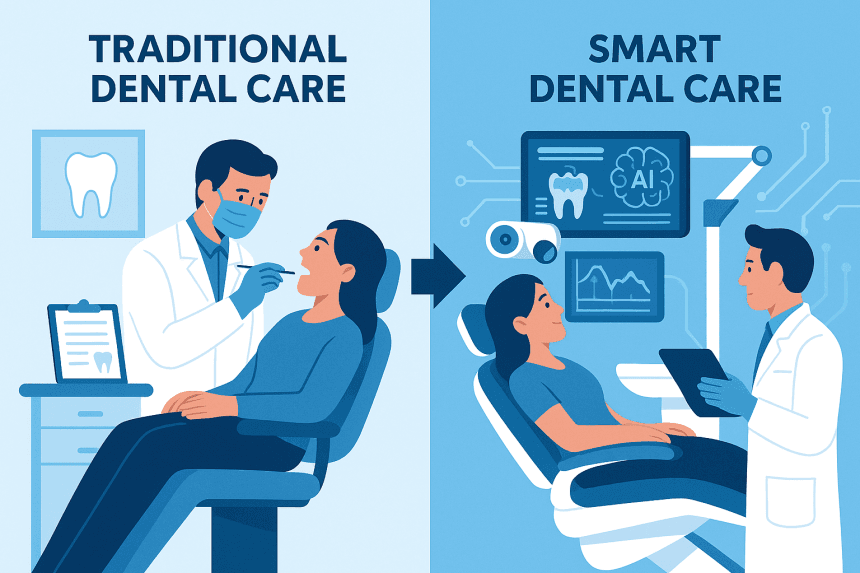
The origins of this cutting-edge technology trace back to collaborations between leading dental equipment manufacturers and AI research institutions in China. Powered by advancements in AI and sensor technology, these devices aim to enhance the precision of dental diagnosis and treatment planning. Smart dental chairs equipped with integrated imaging systems and AI algorithms provide instant insights into patient oral health, allowing for tailored treatment plans and minimizing human error.
Dr. Ming Li, a leading researcher from the Beijing Institute of Dental Research, states, “Our team’s commitment to harnessing AI for dental applications has always been driven by the goal of increasing accessibility and reducing disparities in dental care worldwide.”
Core Innovations: A Closer Look
The smart dental chair, central to this technological leap, showcases features that set it apart from conventional dental equipment. Equipped with high-resolution intraoral cameras and smart sensors, the device captures detailed 3D images of the patient’s oral cavity and analyzes them in real-time. These images are processed by an AI algorithm that assists dentists in detecting early signs of cavities, gum disease, and other oral health issues with unprecedented accuracy.
Data from clinical trials conducted in China reveal that the use of this smart dental chair improved diagnostic accuracy by 25% compared to traditional methods. Additionally, patient feedback has highlighted increased comfort and reduced anxiety, attributing these benefits to the chair’s ergonomic design and non-invasive diagnostic processes.
Impact on the Dental Industry and Clinical Practice
The implications of this technology for the dental industry and clinical practice are vast. In developed regions, these smart chairs are set to streamline operations, reduce patient wait times, and enhance the quality of care. For rural and underserved areas, particularly in Central America, they represent a remarkable opportunity to bridge the gap in dental healthcare accessibility.
Dr. Patricia Gonzalez, a dentist working in rural clinics in Honduras, shares, “Access to such advanced technology is transformative. It empowers us to provide high-quality care to communities that have historically been underserved. The portability and ease of use of these smart chairs ensure that we can reach remote areas without compromising on diagnostic accuracy.”
Industry analysts predict that these innovations will drive significant growth in the global dental equipment market. With the dental devices sector projected to reach $15 billion by 2028, the integration of smart technology is expected to be a major contributing factor.
Looking Ahead: The Future of Smart Dental Technology
As this technology continues to expand its footprint globally, further developments are on the horizon. Manufacturers and researchers are already working on integrating teledentistry capabilities, allowing real-time connectivity between patients and specialists regardless of geographical barriers. Such advancements hold the promise of democratizing dental care and ensuring that high-quality treatment is available to all.
Moreover, ongoing research aims to enhance AI algorithms for even more precise diagnostics and predictive analytics, potentially transforming routine dental visits into comprehensive health assessments that can identify systemic conditions linked to oral health.
The journey from innovation hubs in China to clinics spread across Central America underscores a significant shift in dental care characterized by accessibility, precision, and patient-centric solutions. As smart dental equipment continues to evolve, the promise of healthier smiles and improved overall health brings a brighter future within reach.
In conclusion, the global embrace of smart dental technology illustrates a profound advancement in healthcare delivery, moving us toward a world where top-tier dental care knows no boundaries. With China at the helm of innovation and a commitment to inclusivity, the stage is set for a transformative era in dental medicine.