



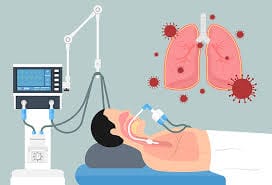
“I recovered, but never truly got better.” This is the quiet yet powerful refrain shared by many living with COVID. Although the pandemic has swept the world twice, its undercurrents have never truly subsided. For some who appear recovered from COVID, discomfort can return at any time—subtle, unpredictable, and often invisible to others.

From Positive COVID to “Normal,” and the Long Road to Rebirth
Ms. Lin, 35, IT engineer
Diagnosed with COVID-19 at the end of 2022, Mr. Lin initially experienced only mild symptoms—slight coughing and a low-grade fever. Two weeks later, he tested negative and felt physically fine. But months after, he began suffering from extreme fatigue, brain fog, heart palpitations, and insomnia.
“Sometimes during the morning, my mind feels like it’s stuffed with cotton. My thinking slows down dramatically.”
Multisystem Damage, Elusive Diagnosis
Renowned epidemiologist Ziyad Al-Aly estimates that over 100 million people globally are now living with Long COVID. Women are twice as likely as men to develop the condition, and those who had severe infections face higher risks. The more times a person is infected, the more their risk accumulates. A meta-analysis by the U.S. Centers for Disease Control and Prevention (CDC) across 194 studies found that approximately 45% of recovered individuals still experienced at least one lingering symptom four months post-infection.
According to the World Health Organization (WHO), Long COVID is defined as a set of symptoms that begin within three months of infection and persist for at least two months without improvement. The most common symptoms include fatigue, shortness of breath, muscle and joint pain, sleep disturbances, and brain fog.
While the exact mechanisms remain unclear, medical literature has identified several contributing factors:
1.Microclots and vascular dysfunction: The virus can cause long-term microcirculatory damage to the heart, lungs, and nervous system.
2.Mild autoimmune dysfunction: Some patients develop immune responses that attack their own tissues.
3.Neuroendocrine imbalance: Disruptions in the autonomic nervous system (such as POTS) and lingering brain inflammation may play a role.
Psychologist Michael Hoerger warns that without significant intervention, the global prevalence of Long COVID could remain above 40%.
Data Shows a Trend: A Dual Burden of Economy and Mental Health
By the end of 2024, total global COVID-19 cases surpassed 650 million. Conservative estimates suggest that 6–7% of infected individuals will go on to develop Long COVID, with a lower but still concerning rate of around 1% in children. A large-scale study from the University of Southampton in the UK reported that 4.8% of participants self-identified as having Long COVID, while another 9.1% said they “probably” had it.
Under the triple weight of physical, mental, and financial strain, quality of life is visibly diminished:
CDC data shows that 17 million American adults are still affected, with 79% reporting disruptions to daily life. Studies cite pain, anxiety, and depression as the leading factors. Over half of patients report a significant drop in quality of life.
The Washington Post revealed that more than 45% of Long COVID patients still have cognitive impairments two years post-infection—sometimes linked to subtle changes in brain structure and even measurable IQ loss.
UCLA researchers found that while physical recovery may take around three months, psychological recovery often extends to nine months or longer. About 20% of patients take over a year to feel mentally well again.
A multicenter study in India found that 16.5% of hospitalized patients still had symptoms a year after discharge, leading to family debt, asset liquidation, and significant economic stress.
A Silent Public Health Crisis That Demands Action
“I recovered, but never truly got better.” This is more than a personal lament; it is the collective cry of millions worldwide living in the shadow of Long COVID. It reminds us that defeating the virus was only the beginning. Rebuilding the full lives of patients presents a far greater challenge.
Only through coordinated efforts across clinical care, scientific research, policymaking, and social support can we begin to respond to the quiet suffering behind this global health crisis.