



— Interview with Dr. Angela Liu, Chief Cardiologist at Metro Heart Institute
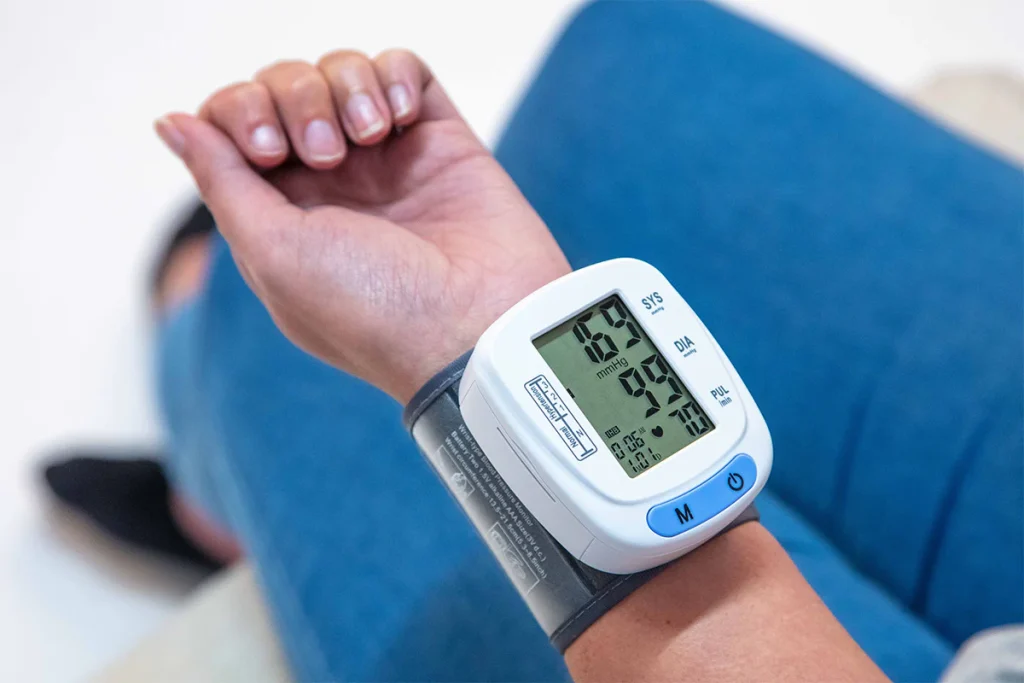
High blood pressure affects nearly half of American adults, yet many remain unaware they even have it. Often symptomless, it quietly damages the heart, blood vessels, and kidneys—earning its nickname: the “silent killer.” In this exclusive interview, Dr. Angela Liu, a leading cardiologist at Metro Heart Institute, breaks down the hidden factors that drive hypertension and offers practical advice for getting it under control.
Beyond the Salt Shaker: The Real Lifestyle Risks
“Most people focus on salt—and yes, sodium matters—but they overlook the full picture,” says Dr. Liu. She notes that chronic stress, poor sleep, excess caffeine, alcohol, and even medications like NSAIDs or cold remedies can significantly raise blood pressure.
“People assume it’s all about what you eat, but how you live day to day—sitting too long, staying up late, always being ‘on’—that’s what adds up.”
No Symptoms Doesn’t Mean No Problem
A major reason hypertension often goes unchecked is that it rarely causes noticeable symptoms—until it’s done real damage.
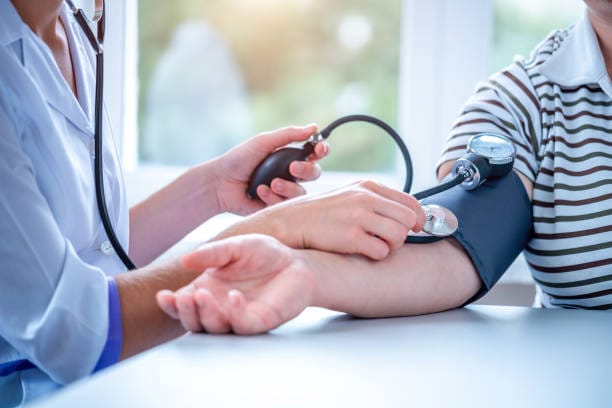
“High blood pressure doesn’t make a lot of noise,” says Dr. Liu. “You won’t necessarily feel different until you have a stroke or heart failure. That’s why regular checkups are crucial—even if you feel fine.”
The Young Are Not Immune
Hypertension is no longer just a “middle-age issue.” Dr. Liu says more patients in their 20s and 30s are being diagnosed, often due to modern lifestyle pressures.
“Too much screen time, lack of sleep, Uber Eats five nights a week—it all adds up. You don’t have to be overweight or elderly to be at risk anymore.”
What Works: Simple Habits Over Sudden Changes
Rather than radical diets or boot camps, Dr. Liu recommends sustainable habits. “Walk more, cook at home when you can, cut down on soda and processed snacks. The goal isn’t perfection—it’s consistency.”
She also encourages people to buy a home blood pressure cuff. “They’re affordable, easy to use, and give you real-time feedback. You track your steps—why not track your pressure?”
What’s Next: Smarter, Personalized Prevention
Thanks to wearable tech and digital health platforms, the future of blood pressure care is becoming more personalized.
“Soon we’ll be matching people with the right lifestyle strategies and medications based on their biology and daily data. It’s not just about fixing problems—it’s about preventing them.”
Final Thought
Dr. Liu offers a clear message: “High blood pressure doesn’t have to define you—but you do have to pay attention.”
For millions of Americans, recognizing the hidden traps is the first step toward better heart health—and a longer, stronger life.


