



In the rapidly evolving landscape of vaccine technology, mRNA innovations are once again capturing the spotlight—not for their role in conquering COVID-19, but as a beacon of hope in the fight against cancer. Recent studies have revealed promising results for mRNA-based cancer vaccines, hinting at a transformative shift in oncology treatment strategies. This advancement holds the potential not only to redefine therapeutic approaches but also to save countless lives.
A New Chapter in mRNA Technology
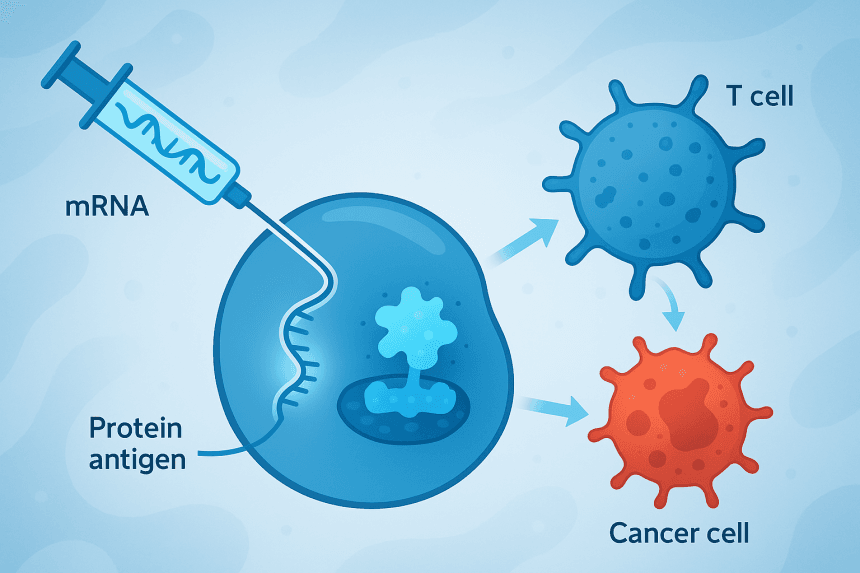
The use of mRNA technology in vaccines is not new, but its application garnered worldwide attention with the successful deployment of COVID-19 vaccines by Pfizer-BioNTech and Moderna. Originally developed decades ago, this technology involves using messenger RNA to instruct cells to produce proteins that can stimulate an immune response. While COVID-19 put mRNA vaccines in the limelight, scientists have long been exploring their potential in other areas, most notably cancer.
Breakthrough Findings and Research Insights
One of the most compelling studies to emerge recently was conducted by BioNTech and Moderna, companies already at the forefront of mRNA innovation. This research demonstrated that personalized mRNA cancer vaccines, when used in synergy with traditional immunotherapies, could significantly increase the survival rates of patients with advanced melanoma.
In clinical trials, these vaccines were tailored to the individual genetic profile of each patient’s tumor, enabling a highly targeted immune response. As Dr. Özlem Türeci, co-founder and chief medical officer at BioNTech, explained, “The individualized nature of these vaccines is what allows us to marshal the body’s immune system in a more precise and effective manner to attack cancer cells.”
The trial results were striking. Participants who received the combined therapy of mRNA vaccine and immune checkpoint inhibitors showed a 44% higher progression-free survival rate compared to those who only received standard treatments. Furthermore, preliminary data suggest similar efficacy across other hard-to-treat cancers such as ovarian and pancreatic cancers.
Implications for Clinical Practice and Industry Impact
The potential impact of these findings on clinical practice is enormous. For oncologists, personalized mRNA vaccines could become a pivotal component of cancer therapy protocols, enhancing the effectiveness of existing treatments and offering new hope to patients with limited options. The shift towards mRNA technology in cancer treatment could also reduce the time and cost associated with developing new therapies, given the flexibility and speed with which mRNA vaccines can be designed and produced.
From an industry perspective, the race to develop mRNA cancer vaccines is intensifying. Pharmaceutical giants are investing heavily in this arena, with projections that the market could reach billions of dollars in the coming decade. Moreover, the success of mRNA vaccines in oncology could pave the way for their application across other therapeutic areas, further cementing their place in modern medicine.
Looking Ahead: Future Developments and Challenges
While the promise of mRNA cancer vaccines is exhilarating, challenges remain. Large-scale production, long-term efficacy, and affordability are areas that require continued research and innovation. Additionally, regulatory pathways will need to adapt swiftly to keep pace with the rapid development of these personalized therapies.
Researchers are optimistic about the future. As Dr. Drew Weissman, a pioneering scientist in mRNA technology, remarked, “We are standing on the brink of a new era in cancer treatment, where vaccines could become as pivotal for oncology as they have been for infectious diseases.”
In conclusion, the emergence of effective mRNA vaccines for cancer not only marks a significant milestone in medical science but also heralds a new dawn in personalized medicine. As research progresses, and as more clinical trials are undertaken, the prospect of mRNA vaccines becoming a mainstay in cancer treatment regimens seems increasingly within reach. This breakthrough not only revives hope for cancer patients but also provides a glimpse into a future where highly customized medical treatments could become the norm, fundamentally transforming patient outcomes worldwide.