



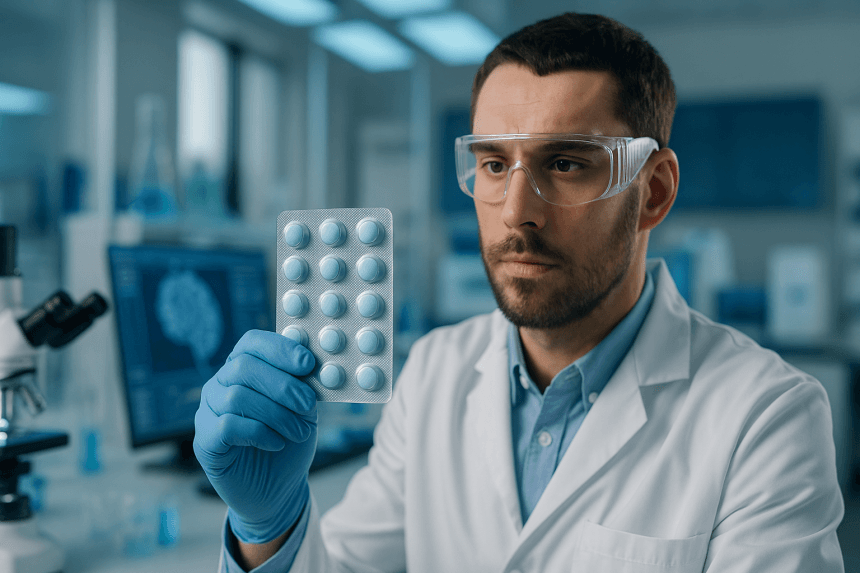
In a groundbreaking shift with the potential to revolutionize diabetes care, several global pharm
aceutical companies are making significant strides in developing oral GLP-1 receptor agonists. These innovative medications, currently gathering momentum in clinical trials, promise a more accessible and convenient form of treatment for millions living with type 2 diabetes—previously managed only with injectable forms of GLP-1 receptor agonists.
Oral GLP-1 receptor agonists represent a crucial advancement in diabetes treatment. These medications mimic the glucagon-like peptide-1 hormone, which stimulates insulin secretion, inhibits glucagon release, and slows gastric emptying—altogether critical actions for maintaining blood glucose levels within a healthy range. Until now, GLP-1 receptor agonists, hailed for their efficacy in controlling blood sugar and aiding weight loss, were exclusively available in injectable form, posing barriers to adherence for many patients uncomfortable with injections.
Novo Nordisk, a leading player in diabetes care, has pioneered this foray into oral mediums with their recent product, Rybelsus (semaglutide), an oral GLP-1 receptor agonist approved by the FDA in 2019. The company’s success has sparked a competitive race among other pharmaceutical giants, including Eli Lilly and Pfizer, to establish a foothold in the burgeoning oral diabetes medication market.
The development of oral GLP-1 receptor agonists is a significant leap forward, comments Dr. Margot Arpels, an endocrinologist at the Mayo Clinic. Patients now have more flexibility and control over their treatment regimen without the inconvenience of injections, potentially improving adherence and overall outcomes.
Recent studies illustrate the potential for these drugs to deliver clinical outcomes comparable to their injectable counterparts. In Phase 3 trials, Novo Nordisk’s oral semaglutide demonstrated superior efficacy in reducing HbA1c levels and a notable impact on weight reduction compared to a placebo. Eli Lilly’s candidate, currently in advanced stages of research, shows promise in early trials, exhibiting strong results in reducing blood glucose levels with a favorable safety profile.
The push for oral formats is not just driven by convenience but also by the persistent need to improve patient compliance. A study published in Diabetes Care highlights that nearly 50% of patients with diabetes are non-adherent to injectable medications due to needle anxiety or administration inconvenience. Oral alternatives can potentially mitigate these challenges, leading to better disease management and reduced complication rates over time.
Furthermore, the economic implications for the healthcare industry and pharmaceutical companies are profound. According to a report by Evaluate Pharma, the global market for diabetes medications is expected to exceed $70 billion by 2024, with oral GLP-1 receptor agonists anticipated to capture a substantial share of this market. These drugs could reshape prescribing practices, promoting oral therapies as first-line treatments in suitable patients.
While the promise is considerable, challenges remain. Oral biologics, by their nature, face absorption hurdles within the gastrointestinal tract, requiring intricate formulation techniques to ensure efficacy. Moreover, the cost of these medications, though potentially offset by improved compliance, may still pose significant burdens for healthcare systems and patients without insurance.
Looking ahead, continuous innovation in drug formulation and delivery methods is expected. As competition heats up among pharmaceutical leaders, the focus will likely expand beyond merely replicating injectable efficacy to exploring enhanced patient experiences and outcomes through personalized medicine approaches.
In conclusion, the race to develop oral GLP-1 receptor agonists marks a pivotal moment in the evolution of diabetes care, with significant benefits poised to enhance patient quality of life and adherence. As future developments unfold, this shift may set a precedent for further oral therapeutic innovations, paving the way for a new era in chronic disease management.
With ongoing advancements in pharmaceutical technology and patient-centered care, we stand on the brink of a new chapter in diabetes treatment, remarks Dr. Arpels. This is an exciting time not only for clinicians but, most importantly, for the patients who can now look forward to more convenient and effective treatment options.
These advancements could ultimately redefine diabetes care paradigms, signaling a promising pathway toward optimized management strategies that align with patients’ needs and lifestyles.