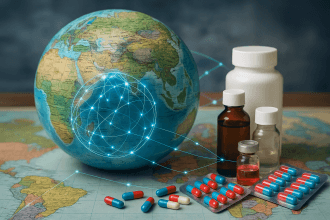




In an unprecedented move that underscores the growing globalization of healthcare, recent reports indicate a significant surge in shipments of high-end medical equipment from Asia to Central America. This trend not only highlights the increasing demand for advanced medical technology in the region but also signals a shift in global healthcare dynamics.
Background
Traditionally, the supply chain for cutting-edge medical equipment has been dominated by North American and European manufacturers. However, in recent years, Asian companies have made significant strides in medical technology, offering advanced products that rival those from the West. Nations like China, Japan, and South Korea have emerged as key players, investing heavily in research and development to produce state-of-the-art medical devices at competitive prices.
Details & Key Facts
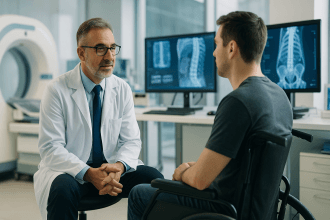
The surge in shipments includes diagnostic imaging equipment, robotic surgical systems, and state-of-the-art patient monitoring devices. According to a market analysis by GlobalData, exports of medical technology from Asia to Central America increased by 35% over the past year alone. Notably, a significant portion of this shipment comprises MRI and CT scanning devices, which are critical for accurate diagnosis and treatment planning.
One leading tech firm, MedTechAsia, reported a 50% increase in orders from Central American healthcare providers in the last quarter. “Our clients are not just acquiring equipment; they are investing in the future of their healthcare systems,” noted Lisa Wang, MedTechAsia’s Chief Operating Officer. “The need for reliable, cost-effective solutions to complex medical problems is driving this demand.”
Industry or Clinical Impact
This trend carries profound implications for the healthcare industry in Central America. As hospitals and clinics in the region gain access to high-end equipment, there is potential for improved patient outcomes, particularly in areas previously limited by outdated or scarce resources. The integration of advanced technologies can enhance diagnostic accuracy, expand treatment capabilities, and streamline healthcare delivery.
Moreover, the influx of modern equipment may drive further education and training opportunities for local healthcare professionals. Central American medical schools and institutions are already establishing partnerships with Asian manufacturers to ensure medical staff can effectively use new technologies. This knowledge transfer is crucial to maximizing the equipment’s benefits and establishing a sustainable healthcare ecosystem.
The financial implications are equally significant. By sourcing more affordable high-tech medical equipment from Asia, healthcare facilities in Central America can allocate funds to expanding services and infrastructure, thus broadening access to care. For Asian manufacturers, this expanding market presents an opportunity to establish a firm foothold in regions that are ripe for growth and innovation.
Conclusion
The rise in shipments of high-end medical equipment from Asia to Central America is a testament to the shifting landscape of global healthcare. While challenges remain—such as navigating regulatory environments and ensuring consistent supply chains—the benefits of this burgeoning relationship are clear. Central American countries stand to gain from improved healthcare capabilities, while Asian firms continue to bolster their reputation as leaders in medical innovation.
Looking ahead, this growing exchange may inspire further collaborations across continents, fostering a more interconnected global healthcare community. Continued investments in technology, training, and infrastructure will be key to harnessing the full potential of these advanced medical solutions. As these relationships develop, the world inches closer to a future where quality healthcare is accessible to all, regardless of geographical boundaries.