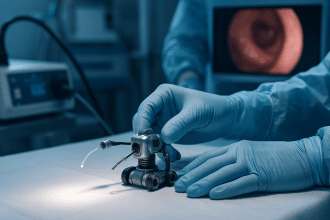




In an ambitious stride towards sustainable healthcare, 2025 has been earmarked as a pivotal year with the introduction of groundbreaking waste-reduction and green procurement standards for medical devices. Spearheaded by a coalition of industry leaders and environmental advocates, these standards aim to address the healthcare sector’s substantial carbon footprint by promoting device circularity and environmentally responsible practices.
Background
The origin of this movement can be traced back several years, as growing environmental concerns rallied both consumers and professionals alike. On a global scale, the healthcare industry contributes approximately 4.4% to net global emissions—an alarming statistic that has driven the sector to seek sustainable solutions. Recognizing the critical nature of this issue, a consortium comprising environment-focused organizations like Health Care Without Harm and industry giants such as Johnson & Johnson and Medtronic initiated a collaboration in 2020 with the vision of advancing green healthcare practices.
Details & Key Facts
At its core, the 2025 standards emphasize device circularity—an approach that advocates designing medical devices for long-term use and recyclability. This marks a definitive shift from the conventional linear economy model of “take-make-waste” to one centered on sustainability.
Key elements of these standards include:
- Design for Durability and Recyclability: Devices will be required to meet specific durability criteria and have components that are recyclable or can be safely disposed of without harming the environment.
- Green Procurement Practices: Healthcare providers will be encouraged to prioritize procurement from suppliers that adhere to sustainable manufacturing processes, fostering a market that favors eco-friendly innovations.
- Lifecycle Analysis Requirements: Manufacturers will need to conduct comprehensive lifecycle analyses to assess a device’s environmental impact, from raw material extraction to product disposal.
- Regulated Recycling Programs: The implementation of certified recycling programs that can proficiently process medical device components, ensuring that valuable resources are reclaimed rather than wasted.
According to a joint statement by the coalition, these measures could potentially reduce healthcare’s carbon emissions by up to 50% by 2030, if broadly adopted. Furthermore, a recent analysis published in JAMA emphasized that circular device management could save the U.S. healthcare system an estimated $2 billion annually in waste disposal costs.
Industry or Clinical Impact
The rollout of these standards is set to usher in a new era for the medical device industry and clinical practices alike. Manufacturers are already mobilizing resources to innovate in eco-friendly device design, while hospital systems are beginning to integrate sustainable procurement policies. Institutions that align with these changes can expect not only financial benefits through cost savings but also a significant enhancement in their public perception as environmentally conscious entities.
Moreover, this paradigm shift is poised to catalyze regulatory evolution. It is anticipated that international healthcare accrediting bodies, such as The Joint Commission, might incorporate these sustainability standards into their evaluation criteria, thereby transforming them from optional guidelines into mandatory benchmarks.
Leading figures in the healthcare field have expressed optimism about these advancements. Dr. Lisa Sacks, an environmental health researcher at the University of California, remarked, “This pivotal transition towards sustainable healthcare is essential for future generations. The coalition’s efforts signal a profound commitment to reducing waste and promoting responsible procurement—both of which are integral to mitigating the industry’s environmental impact.”
Conclusion
As the 2025 deadline approaches, anticipation builds within the medical community to witness the tangible benefits of these ambitious standards. Only time will tell the breadth of the impact, yet there is a prevailing confidence that this innovative approach to device circularity will serve as a beacon for other industries facing similar sustainability challenges.
Ultimately, the Device Circularity Revolution promises not just to redefine the landscape of medical device management, but to establish a blueprint for a more sustainable future. As stakeholders across the healthcare continuum engage with these standards, they pave the way for a healthier planet and a more sustainable healthcare system that aligns ecological responsibility with clinical excellence.