


Cold Chain Logistics on the Rise: Temperature Control Becomes Central America’s New Healthcare Battleground
In the evolving landscape of healthcare in Central America, a new frontier has emerged: cold chain logistics. As the region grapples with delivering life-saving vaccines and biologics under stringent temperature control, the ability to efficiently manage these supply chains is not only a logistical challenge but also a potential game-changer for public health infrastructure.
For years, healthcare systems in Central America have faced numerous challenges, from financial constraints to geographically dispersed populations. However, the COVID-19 pandemic spotlighted the critical need for robust cold chain logistics capable of maintaining the integrity of vaccines and sensitive medical supplies. As international organizations and local governments ramp up efforts to improve their healthcare systems, temperature control logistics have surfaced as a pivotal element in ensuring the efficacy of medical treatments.
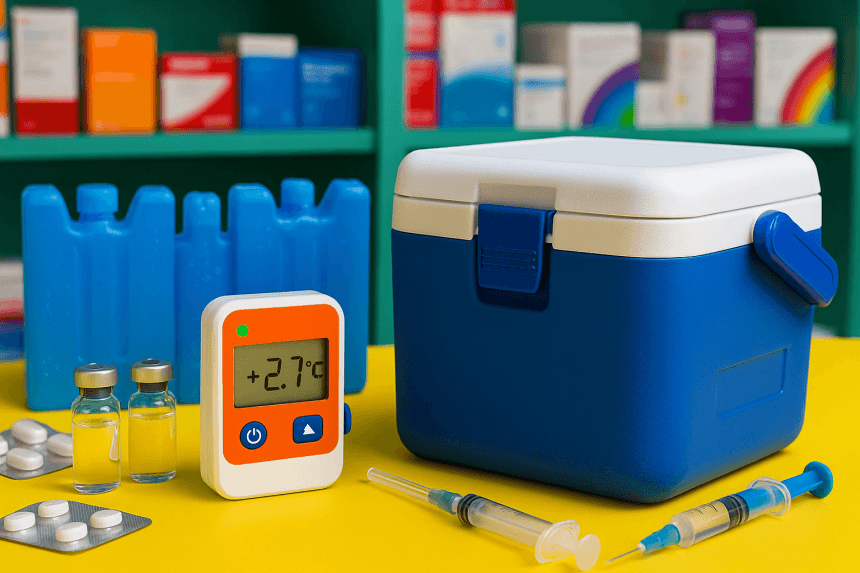
The term “”cold chain logistics”” refers to the storage and transportation processes of temperature-sensitive products, requiring rigorous temperature monitoring to maintain product quality from manufacturer to end user. This system is vital, not just for vaccines, but also for a growing array of biologic medications used in treating chronic diseases such as diabetes and cancer. The demand for these medications is expected to burgeon as Central America faces the dual pressures of an aging population and escalating rates of chronic diseases.
A recent report from the World Health Organization revealed that inadequate cold chain logistics have historically resulted in substantial vaccine wastage, estimated at approximately 50 percent globally. However, a renewed focus on this issue is driving investments and policy shifts aimed at fortifying the region’s healthcare supply chains. Countries such as Costa Rica and Panama are already spearheading initiatives to upgrade their cold chain infrastructure, with support from international bodies like the Pan American Health Organization (PAHO).
One key player in this transformative effort is Bio Pharma Logistics, a leader in pharmaceutical supply chain solutions. “”Ensuring that vaccines and biological products remain within their required temperature range is crucial to their efficacy,”” said Maria Lopez, Chief Operating Officer at Bio Pharma Logistics. “”We’ve seen a significant upsurge in demand for advanced temperature monitoring devices and cloud-based tracking systems across Central America.””
But what makes cold chain logistics so critical beyond refrigeration? Temperatures that deviate from the prescribed range, even by a few degrees, can cause the active ingredients within vaccines and biologics to lose potency, rendering them ineffective at best and harmful at worst. This fragility underscores the importance of seamless coordination across transport links, advanced refrigeration technology, and real-time data management.
With the successful introduction of advanced cold chain solutions, the healthcare impact is profound. Notably, maintaining the efficacy of vaccines and biologic drugs reduces waste, enhances patient safety, and bolsters public trust in health systems. Furthermore, improved logistics could pave the way for the introduction of new therapeutic technologies and drugs.
There remain, however, substantial hurdles, particularly in rural areas where infrastructure is limited. Here, collaboration with local governments to improve road networks and electricity reliability is essential. Moreover, training healthcare workers to manage and monitor these sophisticated logistics systems is crucial.
Despite these challenges, the evolution of cold chain logistics in Central America offers a hopeful glimpse into the future of healthcare delivery. The economic and health benefits extend beyond immediate patient outcomes. Strengthening cold chains in the region could facilitate global pharmaceutical companies’ interest and partnership, potentially translating to lower-cost medications and a more resilient healthcare framework overall.
Looking forward, innovations in portable cooling technology and solar-powered refrigeration units are ripe for exploration in the quest to make healthcare more accessible and robust. As the region continues to develop its cold chain capabilities, the lessons learned here could serve as a blueprint for other parts of the world facing similar challenges.
For now, as Central American countries rally to reconstruct their health logistics systems, the global health community watches closely. The focus is not just on overcoming obstacles, but on redefining what’s possible in healthcare logistics on a broader scale.