


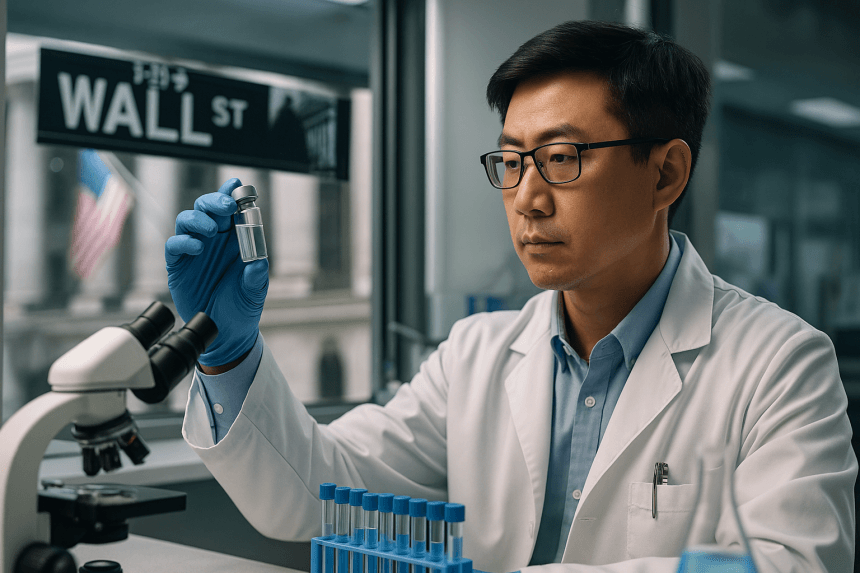
Once labeled as the world’s generic factory, China’s pharmaceutical sector is now rapidly emerging as a global innovator in oncology. With a growing number of homegrown cancer therapies securing FDA approvals and attracting international capital, Chinese biotech firms are challenging the long-standing dominance of Western pharma giants.
From FDA Approvals to Wall Street: The Rise of Chinese Oncology Drugs
For decades, when cancer patients sought cutting-edge therapies, the focus inevitably turned to pharmaceutical titans like Merck, Pfizer, Roche, or Novartis. But in recent years, oncology drugs developed in China have begun capturing global attention—not as low-cost imitations, but as innovative treatments backed by solid clinical data and competitive pricing.
A landmark example is BeiGene’s Brukinsa (zanubrutinib), a BTK inhibitor that received FDA approval in January 2023 for the treatment of chronic lymphocytic leukemia (CLL) and small lymphocytic lymphoma (SLL). Clinical trials showed Brukinsa delivered superior progression-free survival rates and fewer side effects compared to AbbVie’s U.S. market leader, Imbruvica (ibrutinib).
Another frequently cited case is Tyvyt (sintilimab), a PD-1 immunotherapy developed by Innovent Biologics in collaboration with Eli Lilly. While its penetration into U.S. clinical guidelines is still underway, Tyvyt’s robust data in multinational clinical trials is garnering serious attention from the global oncology community.
Global Capital Rushes Toward Chinese Biotech
Investment trends paint a compelling picture. According to recent J.P. Morgan and industry reports, Chinese companies accounted for approximately 31%–36% of global oncology licensing and investment deals in 2024, marking a significant uptick in their international influence. Notably, BeiGene’s $3.3 billion strategic partnership with Amgen and Akeso’s advancements in bispecific antibodies have captured the interest of major hedge funds like Bridgewater and Citadel.
Western investors no longer view Chinese biotech as merely adept at manufacturing generics. The focus is now on data quality, execution speed, and long-term innovation pipelines, says Karen Li, a healthcare sector analyst at J.P. Morgan. China’s combination of abundant clinical resources, regulatory acceleration, and cost efficiencies is creating a formidable global competitor.
Western Pharma Shifts from Ignoring to Partnering—and Now Competing
In response to this disruptive wave, Western pharmaceutical giants have adjusted their strategies. Initially dismissive, many turned to strategic partnerships, and now they are scrambling to protect their turf by doubling down on advanced technologies like mRNA-based cancer vaccines, CAR-T cell therapies, and personalized immunotherapy.
AstraZeneca has established joint R&D operations with HutchMed in China, while Roche and Sanofi are expanding co-production initiatives in Shanghai and Suzhou. It’s less about proactive collaboration and more about not wanting to be left behind, admitted a senior executive at a major European pharma firm. Chinese drugs are becoming increasingly appealing to public health systems and private insurers in Latin America and Europe due to their cost-benefit edge.
Today, a Chinese biopharma company securing FDA approval or launching an IPO on Nasdaq is no longer breaking news. What’s remarkable is the speed with which these companies are integrating into the global medical value chain—from molecule development to patient access—and now, into the narratives driving global stock markets.
In the near future, patients in hospitals from San José to Geneva may find their prescribed cancer treatments manufactured in Hangzhou or Shenzhen. At that point, the key question will no longer be Which country made this drug? but rather, Which company developed it faster, better, and more affordably?