


Introduction: Artificial Intelligence Is Moving Beyond Diagnostics Into the Operating Room
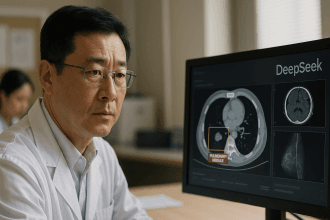
Artificial intelligence (AI) has already transformed many areas of healthcare, from medical imaging and pathology to clinical decision support. Today, Intelligent Surgical Systems are emerging as one of the most significant innovations in modern operating rooms, enabling hospitals to combine advanced surgical equipment with AI-driven workflow management and data intelligence.
The recent launch of AI-powered surgical assistance platforms by leading medical technology companies has highlighted a broader industry shift rather than the emergence of a single new product. Hospitals are no longer evaluating surgical equipment solely based on hardware performance. Instead, they are increasingly looking for integrated systems capable of data analysis, workflow optimization, and continuous learning.
As healthcare enters the era of digital surgery, the competitive landscape for high-end surgical equipment is evolving from performance-driven innovation to intelligence-driven innovation.
From Surgical Tools to Intelligent Surgical Partners
Key Takeaway
AI is transforming surgical equipment from passive tools into intelligent systems that assist clinical workflows and decision-making.
For decades, advanced surgical equipment has focused primarily on delivering reliable energy, precision cutting, visualization, and instrument control. While these capabilities remain essential, the next generation of surgical platforms is expected to do much more.
Modern AI-assisted systems can now support operating room teams by:
- Automatically recognizing surgical workflow stages
- Documenting key procedural events
- Organizing intraoperative data
- Supporting workflow standardization
- Assisting postoperative documentation
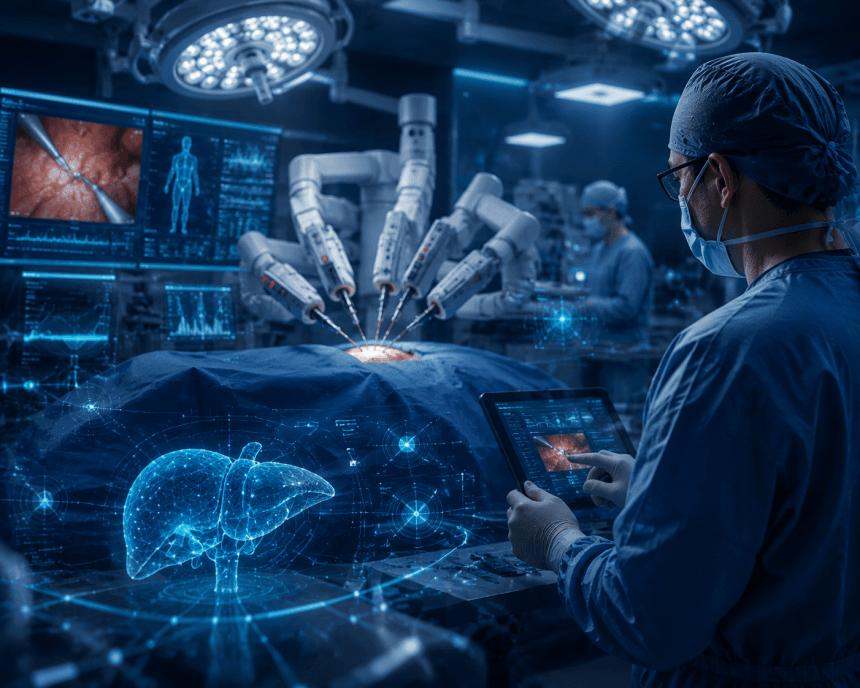
Importantly, these systems are designed to augment—not replace—surgeons. Clinical judgment remains entirely in the hands of healthcare professionals, while AI handles repetitive information processing that would otherwise consume valuable clinical attention.Intelligent Surgical Systems are designed to support surgeons throughout the entire surgical workflow while maintaining clinician control over every critical decision.
The Competitive Landscape of Surgical Equipment Is Changing
Key Takeaway
Software intelligence and data capabilities are becoming as important as hardware performance.
Historically, manufacturers competed by improving measurable hardware specifications, including:
- Energy precision
- Instrument reliability
- Imaging quality
- Ergonomic design
- Clinical versatility
Today, hospitals are increasingly evaluating an entirely new layer of value:
- AI-assisted workflow management
- Computer vision
- Real-time analytics
- Cloud connectivity
- Data interoperability
- Software upgradeability
Rather than functioning as isolated devices, modern surgical platforms are becoming intelligent digital ecosystems capable of improving over time through software enhancements and accumulated clinical data.As a result, Intelligent Surgical Systems are becoming the new benchmark for premium surgical technology.
Traditional Surgical Equipment vs. Intelligent Surgical Systems
| Traditional Equipment | Intelligent Surgical Systems |
|---|---|
| Focus on hardware performance | Combine hardware with AI-powered software |
| Standalone device operation | Connected digital ecosystem |
| Manual documentation | Automated workflow recording |
| Limited data collection | Continuous procedural data acquisition |
| Fixed functionality after installation | Software updates and expanding capabilities |
| Equipment-centered procurement | Platform-centered procurement |
Hospital Procurement Priorities Are Evolving
Key Takeaway
Hospitals are shifting from purchasing individual devices to investing in digitally integrated surgical platforms.
As hospitals accelerate digital transformation initiatives, procurement teams are evaluating surgical technologies from a broader operational perspective.
Beyond price and technical specifications, healthcare organizations increasingly ask:
- Can this system integrate into a digital operating room?
- Does it support interoperability with other medical devices?
- Can procedural data be collected and analyzed?
- Is remote education or collaboration supported?
- Can the platform integrate with hospital information systems?
- Will software capabilities continue to improve over time?
These considerations are becoming particularly important for tertiary hospitals, academic medical centers, and institutions pursuing smart hospital initiatives.
The result is a gradual shift from device procurement toward platform procurement.
AI Is Accelerating Surgical Standardization
Key Takeaway
Data-driven surgical intelligence has the potential to improve consistency, education, and quality management.
Surgical outcomes often depend on clinical experience, individual techniques, and procedural consistency.
AI-enabled surgical platforms can help digitize surgical workflows, creating standardized procedural records that support continuous quality improvement.
Potential applications include:
- Surgical education and resident training
- Procedure quality assessment
- Clinical research
- Multi-center data comparison
- Quality assurance initiatives
Rather than replacing surgical expertise, AI provides objective procedural insights that may help institutions continuously optimize surgical performance.
Intelligent Surgical Platforms May Become the Next Generation of Operating Room Infrastructure
Key Takeaway
Future operating room upgrades will increasingly focus on integrated intelligent ecosystems instead of standalone equipment.
Modern operating rooms already include numerous advanced technologies, such as:
- Endoscopic imaging systems
- Electrosurgical generators
- Anesthesia workstations
- Surgical navigation systems
- Robotic-assisted surgery platforms
- Digital operating room management software
The next stage of development is expected to connect these technologies into unified digital environments where information flows seamlessly across devices.
Within this ecosystem, AI becomes the layer that transforms isolated data into actionable clinical intelligence.
As hospitals continue investing in digital operating rooms, integrated intelligent surgical systems are likely to become an increasingly important procurement priority.
Artificial Intelligence Creates New Opportunities for Medical Device Innovation
Key Takeaway
AI is reshaping competitive advantages across the medical device industry, creating new opportunities for innovation.
The future competitiveness of high-end surgical equipment will increasingly depend on more than manufacturing excellence.
Software architecture, artificial intelligence, cloud connectivity, cybersecurity, and data analytics are becoming equally important differentiators.
This shift creates opportunities not only for established multinational manufacturers but also for emerging medical device companies capable of integrating intelligent technologies into next-generation surgical platforms.
As digital healthcare continues to mature, future innovation is expected to focus on comprehensive intelligent ecosystems rather than standalone hardware products.For many healthcare organizations, investing in Intelligent Surgical Systems represents a long-term digital transformation strategy rather than a conventional equipment purchase.
Conclusion: The Future Operating Room Will Compete on Intelligence, Not Hardware Alone
Artificial intelligence is not replacing surgeons—it is redefining how surgical teams interact with technology.
From workflow recognition and procedural documentation to data analytics and continuous learning, AI is enabling surgical equipment to evolve into intelligent clinical platforms.
For hospitals, procurement priorities are changing accordingly. The question is no longer simply which device offers the highest technical performance, but which platform delivers long-term digital value, interoperability, and intelligent capabilities.
As smart hospitals and digital operating rooms continue to expand worldwide, intelligent surgical systems are expected to become one of the defining characteristics of the next generation of high-end surgical infrastructure.The continued evolution of Intelligent Surgical Systems will play a defining role in shaping the next generation of smart hospitals worldwide.