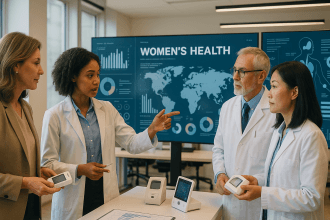




Decoding the New Healthcare Order: How Policy, Capital, and Tech Are Reshaping Global Care
In an era defined by rapid technological advancements and dynamic shifts in policy, the landscape of global healthcare is undergoing a profound transformation. At the heart of this seismic shift lies the confluence of policy reform, investment influx, and technological innovation, collectively orchestrating a new order in healthcare—one that promises unprecedented access, efficiency, and personalized care for patients worldwide.
Breaking New Ground in Healthcare Integration
The metamorphosis of global healthcare is being driven by an intricate web of advancements. Countries around the globe are aligning their policies with cutting-edge technological capabilities, enabling a seamless integration of digital tools within clinical settings. This synergy not only enhances operational efficiencies but also paves the way for personalized patient care, ultimately aiming to democratize healthcare access.
Originating from the urgent need to improve health outcomes and curb escalating costs, this trend is encapsulated in initiatives such as the European Health Data Space and the US’s 21st Century Cures Act. These efforts underscore a clear institutional push towards data-driven healthcare solutions, facilitating transparent communication and collaboration among stakeholders.
Core Developments and Notable Trends
A pivotal aspect in this healthcare evolution is the burgeoning role of Artificial Intelligence (AI). From predicting patient outcomes to recommending personalized treatment plans, AI is set to revolutionize diagnostics and therapeutic strategies. In a recent report, Accenture highlighted that AI in healthcare could save the industry up to $150 billion annually by 2026, primarily through its capabilities in boosting administrative efficiency and reducing duplicative processes.
Furthermore, telemedicine continues to gain traction as a staple of modern healthcare. A RAND Corporation study found that remote consultations surged by over 200% during the initial stages of the COVID-19 pandemic and remain a preferred choice for many patients due to its convenience and efficacy. This trend aligns with the push for policy reforms that support expanded telehealth services beyond emergency periods, signaling a lasting change in healthcare delivery models.
In the pharmaceutical sphere, significant attention is being directed towards expanding access to personalized medicine. Bioinformatics and genomic data are being harnessed to tailor drug therapies to individual genetic profiles, reducing adverse effects and enhancing drug efficacy. The completion of large-scale projects like the UK Biobank’s whole-genome sequencing of 500,000 volunteers highlights the progress and potential of this approach.
Implications for Industry and Clinical Practice
The shift towards a more integrative healthcare model offers profound implications for both industry stakeholders and clinical practitioners. For healthcare providers, embracing digital transformation mandates an overhaul of existing infrastructure and workflows. Care providers are urged to invest in interoperable systems that can seamlessly communicate across platforms and geographies, thus ensuring continuity and coherence in patient care.
Meanwhile, pharmaceutical companies are exploring collaborations with tech firms to co-develop advanced drug delivery systems and digital therapeutics. These partnerships open pathways to innovative treatment modalities that leverage real-time data analytics, thereby enhancing patient engagement and outcomes.
Moreover, policymakers and regulatory bodies are playing a crucial role in shaping this evolving ecosystem. By implementing guidelines that foster innovation while safeguarding patient privacy and safety, regulators are paving the way for a future where healthcare is both advanced and accountable.
Looking Ahead: Pioneering the Future of Healthcare
As we stand at this pivotal crossroads, the stakes are undeniably high. The ongoing transformation presents an opportunity to redefine healthcare paradigms and address long-standing challenges of accessibility, affordability, and quality. Looking ahead, further integration of new technology with public health policy will be essential in crafting a resilient, forward-thinking healthcare infrastructure.
The anticipated advancements in genomics, AI, and telehealth mark just the beginning of an era characterized by continuous innovation and improvement. As research and technology advance, so too will the potential to impact patient lives positively.
In conclusion, the new healthcare order promises to unseat traditional boundaries and foster a more patient-centric, efficient, and inclusive global healthcare system—one that stands ready to meet the challenges of tomorrow with compassion and precision. Such an endeavor will require sustained investment, robust policy frameworks, and collaboration across industries and countries.
As industry leaders, researchers, and policymakers chart this transformative course, the collective focus remains steadfast: harnessing the power of policy, capital, and technology to ensure a healthier future for all.