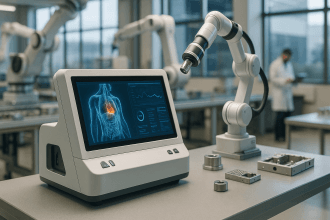




Central American Medical Devices are gaining significant traction in the Asian healthcare market, as companies from countries like El Salvador and Costa Rica form strategic partnerships with Taiwan and Korea. These collaborations are not only enhancing product performance but are also opening doors to Southeast and Northeast Asian markets. With a growing demand for cost-effective, AI-powered healthcare solutions, Central American medical device manufacturers are positioning themselves as key players in the global medical supply chain.
Background:
Traditionally, Asia’s medical device market has been dominated by companies from the U.S., Europe, and Japan/Korea. However, post-pandemic supply chain reorganization and surging demand for cost-effective and precise devices have opened the door for new players. Central America, leveraging its proximity to the U.S. and manufacturing advantages, is emerging with increasing momentum. In the fields of respiratory care, smart diagnostics, and portable imaging devices, cross-border collaborations with Asian tech partners are gaining traction in hospitals and clinics across the region.
Key Facts and Technology Highlights:
One example is MedNova, a startup from El Salvador that recently launched a portable lung ultrasound device integrated with Korean AI image recognition modules. The device can detect early signs of COPD and pulmonary fibrosis within five minutes, with an accuracy rate of 92%. It has passed clinical trials in Singapore and Malaysia and is expected to receive regulatory clearance in Indonesia by year-end.
In another case, Costa Rican company VidaTec has partnered with Taiwanese manufacturers to develop an intelligent respiratory support system. Designed for use in high-altitude and tropical regions, the system dynamically adjusts airflow for patients with fluctuating lung function. After pilot testing in clinics in Thailand and Vietnam, hospitals reported a 22% reduction in patient hospitalization duration.
Beyond hardware, Central American companies are adopting remote monitoring and cloud-based analytics platforms developed in Asia, enabling real-time data integration and decision-making for primary care settings.
Industry Impact and Clinical Outlook:
Industry observers note that this emerging “Central America + Taiwan/Korea technology alliance” is not only providing cost-effective alternatives but also challenging long-held assumptions about manufacturing capabilities in developing nations. Lin Shih-Hsiang, Vice Chair of the Taiwan Medical Device Industry Association, commented, “Our Central American partners bring manufacturing agility and cost advantages, while we contribute precise design and clinical validation. It’s a textbook example of complementary collaboration.”
While Central American-made medical devices currently hold less than 5% of the Asian market, research firm Emerging MedTech Analytics projects that, with continued cooperation, this could rise to over 15% in the mid-tier equipment segment by 2030.
Conclusion:
As the world seeks to diversify its supply chains, this cross-regional collaboration between Central America and Asia is beginning to rewrite the rules of engagement in the medical equipment market. With Asia’s growing demand for accessible healthcare solutions, these new players may become pivotal in upgrading frontline medical care across the region.