


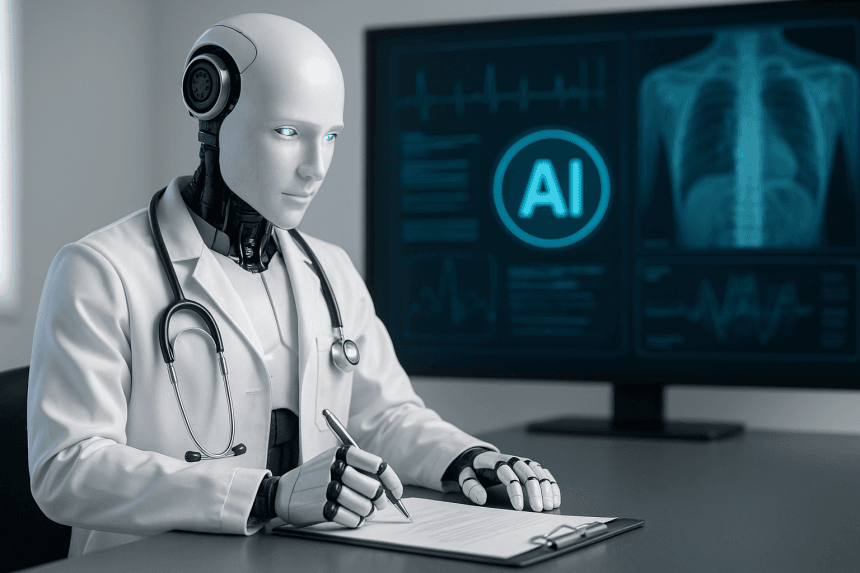
Driven by the dual forces of advancing AI technology and growing healthcare demands, leading global tech companies are accelerating their entry into the healthcare sector. By centering AI as the core driver, they are spearheading a new generation of health technology, marking a cross-disciplinary, end-to-end transformation of digital healthcare.
Amazon, Nvidia, and Google Begin Strategic Expansion
Amazon is expanding its reach through a vertical integration strategy. By acquiring One Medical and launching Amazon Clinic, it now connects physical clinics, telemedicine, and pharmaceutical delivery. This forms an AI-powered digital healthcare ecosystem that covers routine consultations, diagnostic treatment, and wellness recommendations. Its HealthLake platform integrates unified health records with machine learning models to offer physicians rapid search capabilities, diagnostic suggestions, and screening actions.
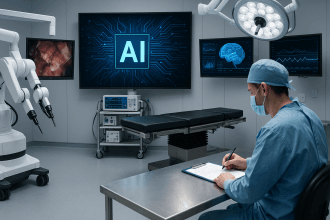
Nvidia, leveraging its strengths in computing and AI, has partnered with medical giants like GE Healthcare and Siemens Healthineers. It has embedded real-time AI imaging models into medical imaging devices and surgical collaboration systems, while also supplying components to several traditional exoskeleton developers. Its newly launched Clara Holoscan platform supports real-time biosignal acquisition, analysis, and augmented reality guidance, becoming a foundational technology for AI-assisted surgery.
Google is taking an experimental approach by retraining its Med-PaLM language model using large-scale medical datasets. It has begun collaborations with major U.S. healthcare systems like Mayo Clinic and HCA Healthcare, applying the model to diagnostic training, note summarization, and automated report generation.
AI Healthcare Support Is No Longer a Future Concept—It’s a Present Reality
The integration of AI into healthcare is no longer theoretical; it’s already taking root. From intelligent health record systems and automated consultation tools to multimodal diagnostic platforms and robotic surgical assistants, AI applications are being actively implemented. Emerging areas include AI analysis of ECG data, cognitive and hearing impairments, and real-time response models for exoskeleton adjustments. These innovations go beyond mere cost-cutting or support roles—they represent a deeper understanding of health outcomes and patient dependence on medical systems.
For industry players, the convergence of digital healthcare and AI is an irreversible path. For patients and medical professionals alike, the future may no longer involve just pharmacies and clinics—but intelligent AI systems that speak to you, analyze your condition, and offer medical advice.