


The University of Virginia Health System (UVA Health) has released a new study indicating that if artificial pancreas systems can achieve true full automation, they will significantly improve blood glucose control in patients with type 1 diabetes and reduce the risk of complications. The findings, published in Diabetes Care, have drawn wide attention in the diabetes research community.
How the Artificial Pancreas Works
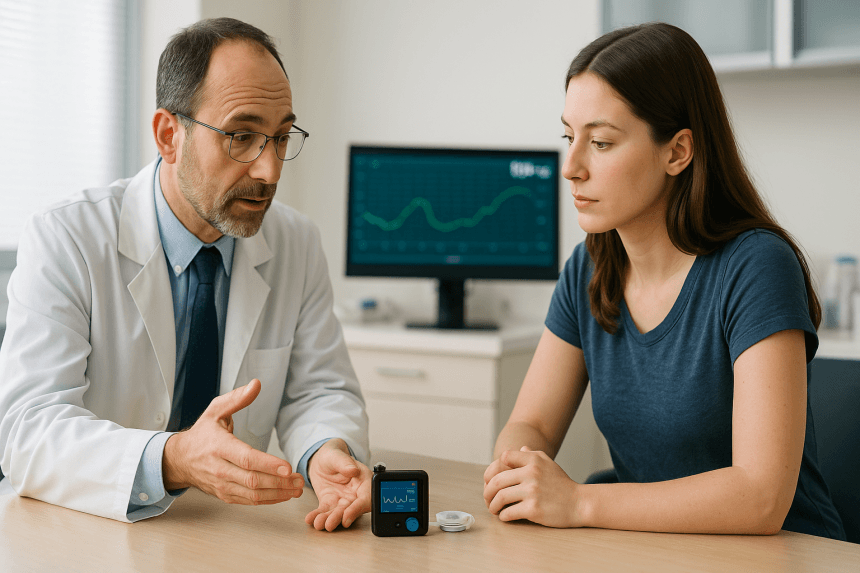
An “artificial pancreas” is a closed-loop system that integrates a continuous glucose monitor (CGM), an insulin pump, and intelligent algorithms. Its core principle is to mimic the function of a healthy pancreas: continuously monitoring glucose levels and automatically adjusting insulin delivery to maintain glucose within the target range.
In a clinical trial involving over one hundred patients, UVA Health researchers found that reducing the need for patient manual input (such as estimating carbohydrate intake before meals) and moving toward full automation significantly increased patients’ time in range (TIR). Moreover, nighttime hypoglycemia events were notably reduced.
Study lead Dr. Boris Kovatchev, professor of diabetes technology, explained: “For many patients, managing diabetes feels like a 24-hour job. A fully automated artificial pancreas could ease this burden and greatly improve quality of life.”
Currently available artificial pancreas systems still require partial manual input, limiting accessibility and convenience. Researchers believe that achieving a fully closed-loop system could particularly benefit adolescents and elderly patients by reducing dependency and operational complexity. Experts suggest that this technology may become the future gold standard for type 1 diabetes management, with potential applications for type 2 diabetes as well.
The UVA team plans to collaborate with medical device companies to accelerate product development and seek further FDA approval for clinical trials. If regulatory processes advance smoothly, such systems could enter clinical use within the next few years.